

Find out why the real estate market is likely to boom over the next 5 years
Every real estate cycle creates the same question among buyers and investors: what comes next?
After years of rapid appreciation, rising interest rates, and market normalization, many people expected the real estate market to slow significantly for an extended period. Instead, what I continue seeing is a market that is adjusting, stabilizing, and preparing for its next phase of long-term growth.
When I look at the next five years, I believe several underlying factors continue supporting the possibility of another strong real estate cycle across strategically positioned markets in the United States.
This does not mean every city or every property category will perform equally. Real estate is always local. However, long-term demographic trends, inventory limitations, migration patterns, and economic development continue creating conditions that may support future appreciation in many high-demand regions.
For buyers and investors, understanding these fundamentals is becoming increasingly important.
1. Why long-term housing demand remains strong
One of the biggest reasons I remain optimistic about the long-term real estate outlook is simple: housing demand continues to exceed supply in many desirable markets.
Over the last several years, new construction activity increased in some regions, but inventory shortages still exist across many high-demand areas. In markets with strong employment growth, international demand, and limited land availability, supply constraints continue influencing pricing over the long term.
At the same time, household formation remains active.
Young professionals, growing families, relocating buyers, and international investors continue entering the market with different objectives but similar needs: quality housing in strategically located areas.
I also believe lifestyle changes that accelerated during recent years continue influencing buyer behavior. Flexibility, remote work, wellness-oriented living, walkability, and access to lifestyle infrastructure are now major decision-making factors for many buyers.
Markets capable of offering those characteristics consistently may continue attracting long-term demand.
2. The economic and demographic forces shaping future growth
Real estate performance is heavily connected to broader economic and demographic shifts.
Over the next five years, I expect migration trends to continue playing a major role in shaping market growth, particularly in states such as Florida, Texas, and other regions attracting business expansion and population inflows.
Cities that continue creating jobs, attracting capital, and developing infrastructure tend to support stronger long-term housing demand.
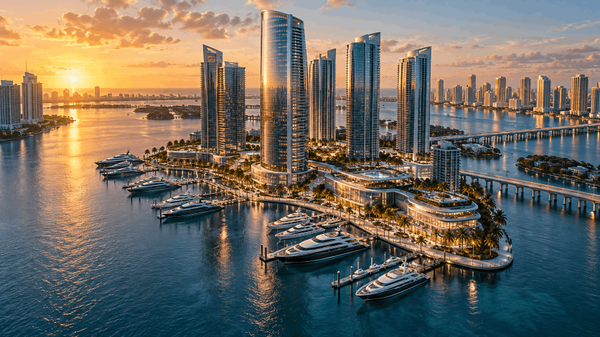
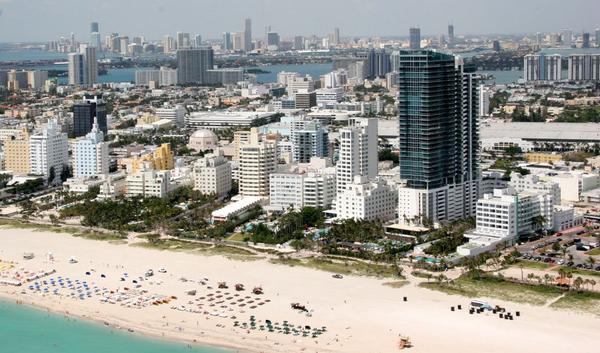
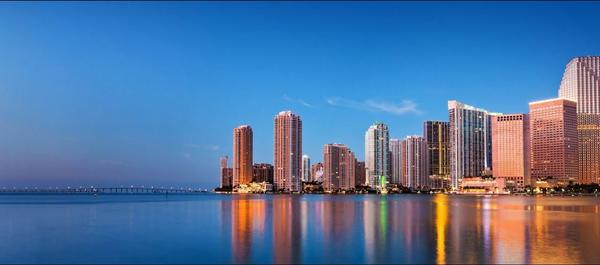
I also see international investment remaining an important factor in major U.S. gateway markets. Cities like Miami continue attracting global buyers seeking dollar-based assets, portfolio diversification, lifestyle access, and long-term capital preservation.
Demographics also matter.
Millennials continue entering peak home-buying years, while many affluent buyers are reevaluating how and where they want to live, work, and invest. This creates sustained pressure across multiple housing segments, from luxury condominiums to suburban residential markets and multifamily investments.
Additionally, if financing conditions improve over the coming years, many buyers currently waiting on the sidelines may re-enter the market simultaneously, potentially increasing competition again.
3. Why strategic markets may outperform over the next cycle
Not every market will experience the same level of growth.
In my opinion, the markets most likely to outperform are those with strong long-term fundamentals, diversified economies, limited premium inventory, and consistent migration demand.
South Florida remains one of the clearest examples.
Miami continues positioning itself as an international business hub while attracting domestic migration, international capital, technology companies, entrepreneurs, and luxury buyers simultaneously. This combination creates a level of market resilience that few cities can replicate.
I also believe transportation access, infrastructure investment, lifestyle quality, and global visibility will continue separating stronger-performing markets from weaker ones.
For investors, the next five years may reward discipline more than speculation.
The most successful buyers will likely focus on quality locations, long-term usability, and markets with sustainable demand drivers rather than chasing short-term momentum alone.
In many ways, the future growth cycle may belong to investors who understand positioning and patience.
Conclusion
While real estate markets naturally move through cycles, several long-term trends continue supporting the possibility of meaningful growth over the next five years. Housing demand, migration patterns, economic expansion, and limited inventory in key markets all remain important structural factors.
For buyers and investors, this environment reinforces the importance of strategic planning, local market knowledge, and disciplined acquisition decisions.
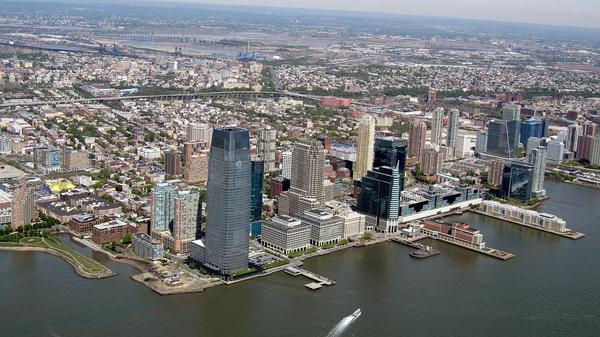
I continue working with clients seeking long-term opportunities across Miami, New Jersey, and other strategically positioned markets. In real estate, the strongest results are often built through preparation, timing, and a clear long-term vision.
Categories
Recent Posts





GET MORE INFORMATION
