

Has the Miami real estate market reached equilibrium?
Over the last several years, Miami experienced one of the most aggressive real estate growth cycles in the United States. Low inventory, accelerated migration, international demand, and strong liquidity created a highly competitive environment where buyers were often forced to move quickly and aggressively.
Today, however, many clients ask me the same question: has the Miami real estate market finally reached equilibrium?
The answer is more nuanced than a simple yes or no.
What I am seeing in 2026 is not a collapsing market or a stagnant market. Instead, I see a market that is gradually moving toward a more balanced structure after years of unusually intense conditions. Buyers now have more time to evaluate opportunities, sellers are adjusting expectations, and negotiations are becoming more strategic again.
For serious buyers and investors, this shift creates a very different environment from the one we experienced just a few years ago.
1. What equilibrium really means in the Miami market
In real estate, equilibrium does not mean prices stop moving or demand disappears. It simply means the market begins operating with healthier balance between supply, demand, and negotiation leverage.
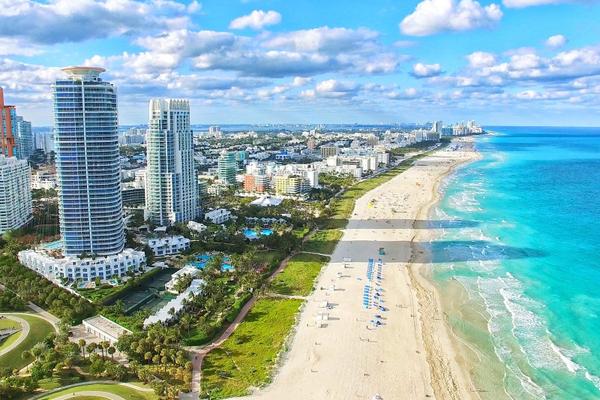
During the peak years of the post-pandemic cycle, Miami operated heavily in favor of sellers. Limited inventory and intense demand created multiple-offer situations across many property categories, particularly in neighborhoods like Brickell, Miami Beach, Coconut Grove, and Coral Gables.
Today, inventory levels in several segments have increased compared to previous years. That shift alone changes market psychology.
Buyers are no longer making decisions with the same urgency they once had. They are analyzing properties more carefully, negotiating more frequently, and paying closer attention to pricing accuracy and long-term value.
At the same time, well-positioned properties continue to perform strongly. Homes and condominiums that are priced correctly, professionally presented, and located in desirable areas still attract serious interest.
This is one of the clearest signs of a healthier market environment. Demand has not disappeared. The market is simply becoming more rational.
2. Why inventory growth is changing buyer behavior
One of the biggest factors influencing the Miami market today is the increase in available inventory across certain price points and neighborhoods.
When buyers have more options, they naturally become more selective.
I am seeing clients spend more time comparing properties, reviewing building financials, analyzing association fees, and evaluating future development activity nearby. This level of due diligence is typical of a more mature and balanced market cycle.
For sellers, this also changes strategy. Listing a property above market expectations simply because prices rose aggressively in previous years is becoming less effective.
In the current environment, presentation, pricing discipline, and marketing quality matter more than ever.
For international buyers, especially Brazilian investors, this shift can actually create advantages. A more balanced market often allows for better negotiation opportunities, more thoughtful acquisition decisions, and reduced pressure during the purchasing process.
Instead of reacting emotionally to market competition, buyers can focus more clearly on long-term fundamentals and investment alignment.
3. The difference between normalization and market slowdown
One of the biggest misconceptions I hear is the idea that a more balanced market automatically means weakness.
In reality, normalization is healthy.
Miami continues to benefit from strong long-term fundamentals, including population growth, international demand, business expansion, infrastructure investment, and global visibility. These factors continue to support the city’s long-term relevance as both a lifestyle destination and investment market.
What has changed is the pace.
The extreme acceleration we saw during previous years was difficult to sustain indefinitely. Markets naturally move through cycles, and what we are seeing now feels more like stabilization than contraction.
In many ways, this environment benefits serious buyers and sellers alike.
Buyers can make more informed decisions without excessive pressure, while sellers who position their properties correctly still have access to strong demand from both domestic and international audiences.
From my perspective, equilibrium in Miami does not mean opportunity disappears. It means strategy becomes more important than momentum.
Conclusion
The Miami real estate market appears to be transitioning into a more balanced and disciplined phase. While some of the urgency from previous years has moderated, the city’s long-term fundamentals remain highly attractive for both domestic and international buyers.
For investors and buyers, this creates an environment where careful analysis, negotiation strategy, and market positioning become increasingly valuable.
I continue to work closely with clients navigating Miami’s evolving market conditions across neighborhoods such as Brickell, Coconut Grove, Coral Gables, and Miami Beach. In a more balanced market, informed decisions often create the strongest long-term opportunities.
Categories
Recent Posts


GET MORE INFORMATION
