

February is one of the most active months in Miami, not only in real estate but across the city’s cultural calendar. Art fairs, festivals, and international events bring global attention, higher foot
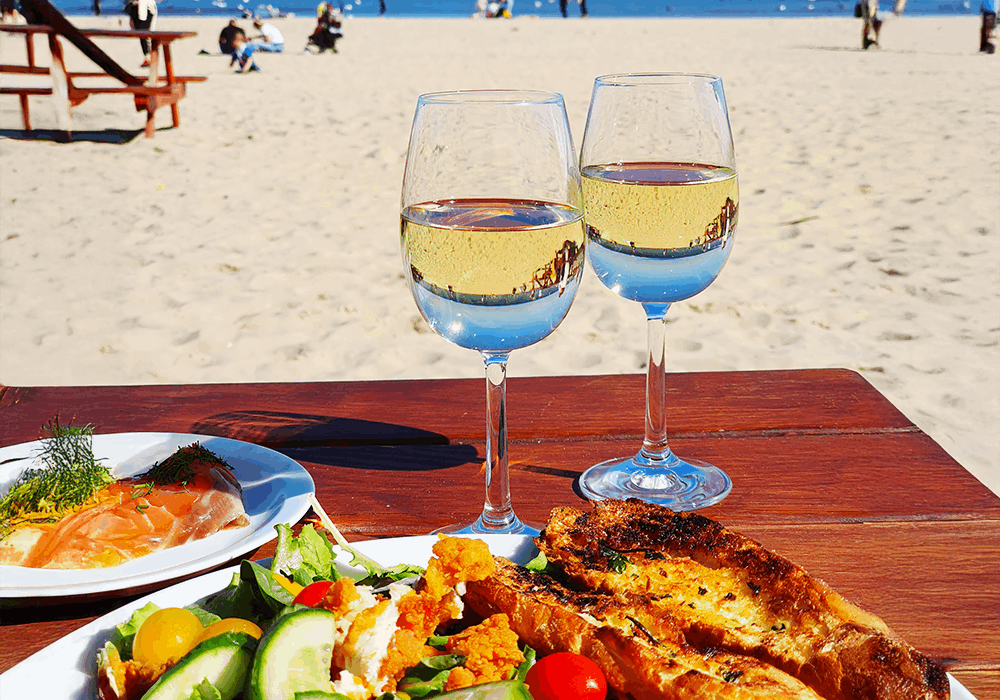
Every February, the South Beach Wine & Food Festival brings together world-renowned chefs, sommeliers, and culinary brands for four days of tastings, demonstrations, and private events. The 2026 edition, taking place February 19–22, reinforces a reality that is already deeply embedded in Miami’s luxury real estate market: for many buyers, the kitchen is no longer a secondary space. It is a defining feature.
For buyers who attend the festival, particularly those evaluating Miami as a primary or secondary residence, culinary exposure often sharpens expectations around design, functionality, and entertaining potential. In this context, certain luxury condominiums stand out not because of marketing language, but because their features align with how food-focused buyers actually live.
1. Kitchens as functional spaces, not visual statements
In higher-end condominiums, a visually striking kitchen is no longer sufficient. Buyers influenced by culinary culture pay close attention to layout, workflow, storage, and appliance integration. Features such as gas ranges where available, professional-grade ventilation, oversized islands, and secondary prep areas are increasingly decisive.
During festival season, buyers frequently move from dining experiences directly into property tours. The contrast is immediate. Kitchens that support serious cooking and hosting feel intuitive, while decorative layouts are quickly dismissed.
2. Entertaining layouts matter as much as finishes
Food-focused buyers evaluate properties through the lens of hosting. Open floor plans that connect kitchens, dining areas, and terraces allow for seamless entertaining, which is especially relevant in Miami’s climate.
Condos with expansive balconies, summer kitchens, or indoor-outdoor transitions gain particular attention during this period. These spaces extend the culinary experience beyond the kitchen and reflect the lifestyle showcased during the festival itself.
3. Wine storage and temperature control as value drivers
Wine cellars, climate-controlled storage, and dedicated beverage areas are no longer niche amenities in Miami’s luxury segment. For buyers attending the Wine & Food Festival, these features often shift from “nice to have” to “expected.”
In buildings where these elements are integrated into the design, properties tend to attract more informed buyers who understand both the lifestyle and long-term value implications of high-quality finishes and infrastructure.
4. Condominiums that consistently meet culinary expectations
Certain luxury developments in Miami consistently attract buyers with culinary interests because their design standards align with this lifestyle. While specific preferences vary, the common thread is attention to proportion, equipment quality, and entertaining flow.
For buyers evaluating multiple properties during festival season, these differences become clear quickly. Properties that meet these expectations tend to remain memorable, even after buyers return home.
Conclusion
The South Beach Wine & Food Festival does more than celebrate cuisine. It raises awareness of how living spaces support everyday experiences, particularly for buyers who value cooking, hosting, and design excellence.
If you are visiting Miami during the Wine & Food Festival and want to explore luxury condominiums with chef-worthy kitchens and entertaining spaces, I invite you to schedule a private consultation. With the right guidance, festival season can become the starting point for a property that reflects both taste and long-term value.
Categories
Recent Posts




GET MORE INFORMATION
