

Luxury Real Estate Behaves Differently During Economic Cycles
Every real estate market responds differently to economic change. Interest rates fluctuate, consumer confidence shifts, and supply and demand evolve over time. However, one misconception I frequently hear is that all properties react to these changes in the same way.
They do not.
Luxury real estate operates within a different segment of the market, influenced by a distinct buyer profile, limited inventory, and long-term wealth strategies. While no investment is completely insulated from broader economic conditions, premium properties often benefit from structural advantages that help support their value through different market cycles.
When I work with buyers and investors, I encourage them to look beyond market headlines and focus on the fundamentals that continue driving demand in the luxury sector.
1. Why luxury real estate follows its own market dynamics
The luxury market is shaped by buyers whose purchasing decisions are often different from those in the broader housing market.
Many high-net-worth individuals are not purchasing solely because mortgage rates have changed or because inventory has increased. Their decisions are frequently tied to portfolio diversification, wealth preservation, lifestyle preferences, or business opportunities.
This creates a market driven by long-term objectives rather than short-term economic fluctuations.
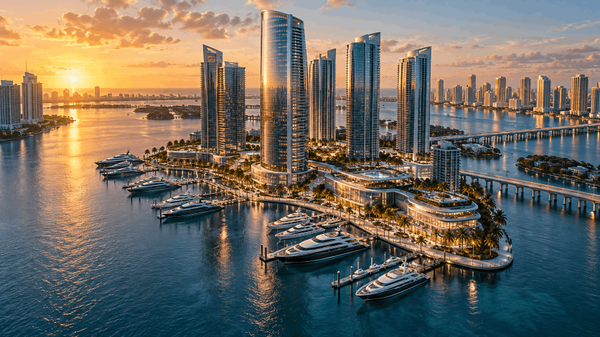
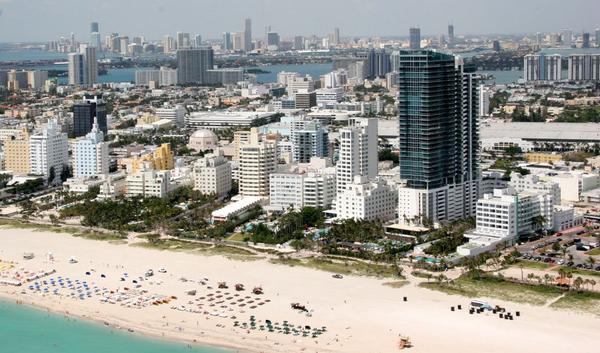
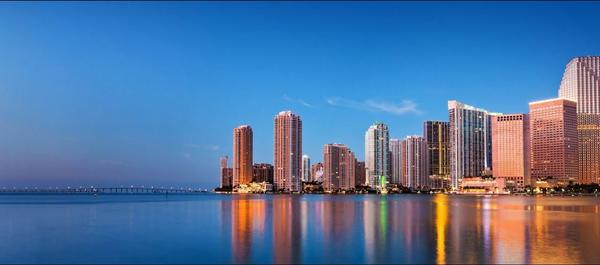
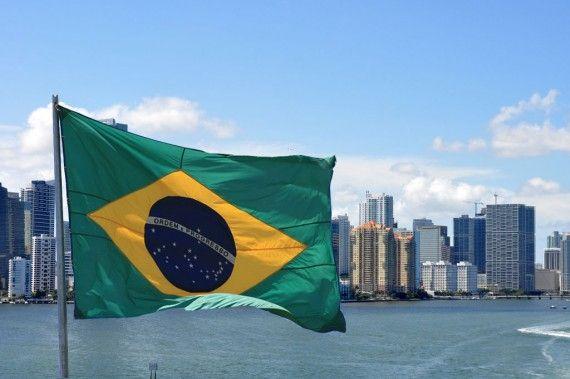
In cities like Miami, luxury real estate also benefits from global demand. Buyers from Latin America, Europe, Canada, and other international markets continue viewing South Florida as an attractive place to invest, live, or establish a second residence.
Because demand comes from multiple sources rather than a single local market, the luxury segment often demonstrates greater stability over time.
2. The factors that create resilience in high-end properties
One of the strongest characteristics of luxury real estate is scarcity.
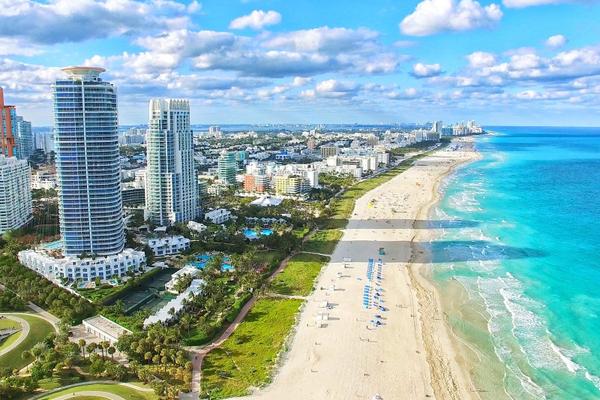
There is only a limited number of waterfront homes, penthouses with panoramic views, historic estates in Coral Gables, or premium residences in neighborhoods like Coconut Grove and Brickell. These properties cannot simply be replicated when demand increases.
Location also plays a critical role.
The most established luxury neighborhoods continue attracting buyers because they offer more than prestigious addresses. They provide access to business districts, marinas, private schools, fine dining, cultural institutions, and a lifestyle that remains desirable regardless of short-term market conditions.
I also believe quality matters.
Well-designed residences in exceptional locations often maintain stronger buyer interest because they represent unique opportunities within a limited supply of premium inventory.
That combination of scarcity, location, and international demand helps explain why many luxury properties experience market cycles differently from more broadly available housing.
3. How I evaluate long-term value beyond appreciation
When clients ask me whether a luxury property is a good investment, appreciation is only one part of the conversation.
I also look at what supports that appreciation.
Is the neighborhood continuing to attract new investment? Is the area constrained by limited land? Does it benefit from strong international demand? Are there long-term economic drivers supporting population growth and business expansion?
These are the questions that help determine whether a property has lasting value.
I also encourage buyers to consider liquidity. A luxury property should not only have the potential to appreciate over time, but it should also remain attractive to future buyers when the time comes to sell.
Understanding these structural factors allows investors to separate properties that may benefit from temporary market momentum from those supported by enduring fundamentals.
In my experience, long-term wealth is built by investing in assets backed by sustainable demand rather than short-term trends.
Conclusion
Luxury real estate is not immune to economic cycles, but it often responds differently because of its limited inventory, globally diverse buyer base, and the unique characteristics that define premium markets.
For investors focused on long-term wealth creation, understanding the forces that support a property's value can be just as important as evaluating its current price.
I help buyers evaluate luxury real estate through a long-term perspective, focusing not only on today's opportunities but also on the economic fundamentals that continue supporting value for years to come.
Categories
Recent Posts

GET MORE INFORMATION
