

Regional Analysis: Following The Movement of Capital
One of the most valuable lessons I have learned in real estate is that capital rarely moves by chance.
When companies relocate, investors reposition their portfolios, or high-net-worth individuals choose a new place to live, those decisions are usually influenced by long-term economic trends rather than short-term market headlines.
That is why I spend as much time studying regional economic movement as I do analyzing individual properties.
Understanding where businesses are expanding, where new residents are settling, and where investment capital is flowing often provides valuable insight into where real estate demand may strengthen in the years ahead.
For buyers and investors, these broader market dynamics can reveal opportunities long before they become obvious.
1. Why capital flows influence real estate markets
Real estate has always followed economic activity.
As companies grow and industries expand into new regions, they create jobs, attract talent, increase household formation, and stimulate demand for housing. That demand eventually influences everything from rental markets to luxury residential communities.
This is why I encourage clients to look beyond current inventory and sales data.
A neighborhood's long-term performance is often connected to the strength of the economy surrounding it. Markets supported by business investment, infrastructure improvements, and population growth typically have stronger foundations than markets driven only by short-term speculation.
Capital creates confidence, and confidence creates demand.
Understanding this relationship helps explain why certain cities continue outperforming others through different economic cycles.
2. What is driving investment toward Florida
Florida has become one of the country's most closely watched destinations for business expansion and private investment.
Its tax environment, growing population, international connectivity, and diversified economy continue attracting corporations, entrepreneurs, financial firms, and high-net-worth individuals from across the United States and around the world.
South Florida has been one of the primary beneficiaries of this trend.
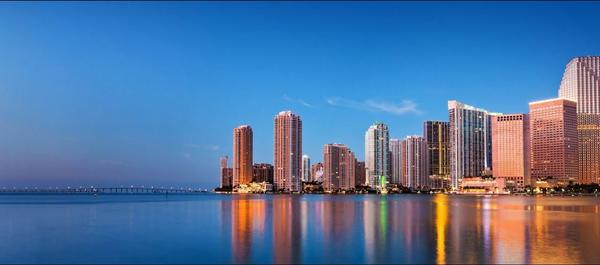
Miami has evolved into much more than a tourism destination. Today, it serves as an important financial center with growing influence across technology, private equity, healthcare, international trade, and professional services.
As businesses establish a stronger presence, demand for high-quality residential real estate naturally follows.
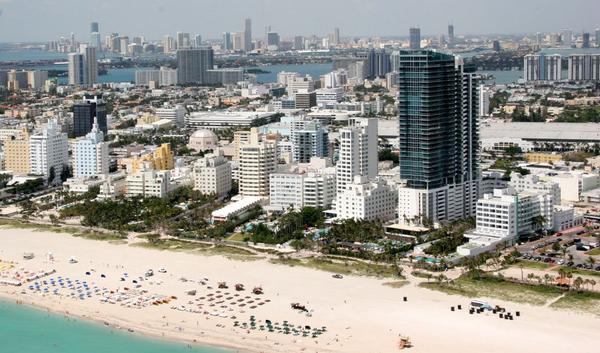
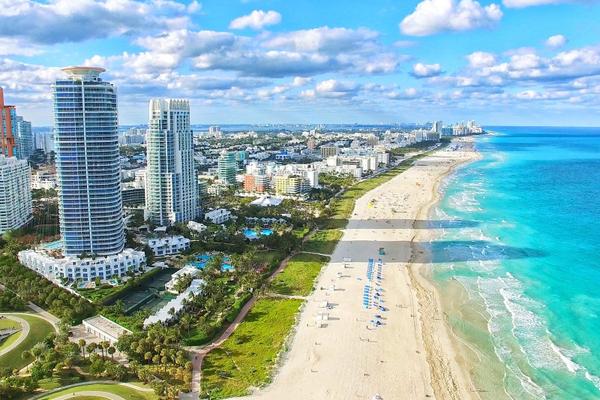
I continue to see this reflected in neighborhoods such as Brickell, Coral Gables, Coconut Grove, and Miami Beach, where both domestic and international buyers remain active because they recognize the long-term strength of these markets.
3. How regional trends help identify future opportunities
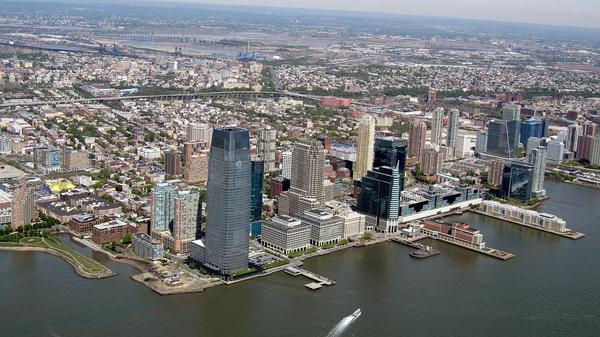
One of the reasons I work across Florida, New York, and New Jersey is that regional perspective provides valuable context.
Every market experiences its own economic cycle, but they are often connected.
When I analyze investment opportunities, I am not only looking at local pricing or inventory levels. I am also following migration patterns, business relocations, infrastructure investment, and demographic changes that influence demand across multiple regions.
For example, buyers relocating from New York or New Jersey to Florida bring more than purchasing power. They contribute to broader economic activity, create housing demand, and influence the long-term trajectory of local markets.
At the same time, not every opportunity exists in Florida alone.
Each market offers different advantages depending on an investor's objectives, whether the goal is long-term appreciation, income generation, portfolio diversification, or future relocation.
That is why I believe understanding the movement of capital provides a broader perspective than simply following market headlines.
Conclusion
The strongest real estate opportunities are often supported by much larger economic forces than individual transactions. Population growth, business expansion, infrastructure investment, and capital migration all help shape the future of regional housing markets.
By understanding where these trends are developing, investors can make decisions based on long-term fundamentals rather than short-term market sentiment.
I help clients evaluate opportunities through both a local and regional perspective. Following the movement of capital is not about predicting the future. It is about recognizing the economic patterns that continue creating value across Florida, New York, and New Jersey.
Categories
Recent Posts





GET MORE INFORMATION
